In recent years, Artificial Intelligence (AI) has taken on an increasingly important role in conference and event technology. The latest developments enable automated systems to track a presenter’s movement and voice, delivering high-quality broadcasts with minimal human intervention. Two outstanding examples of this trend are automated presenter camera systems and microphone line array systems.
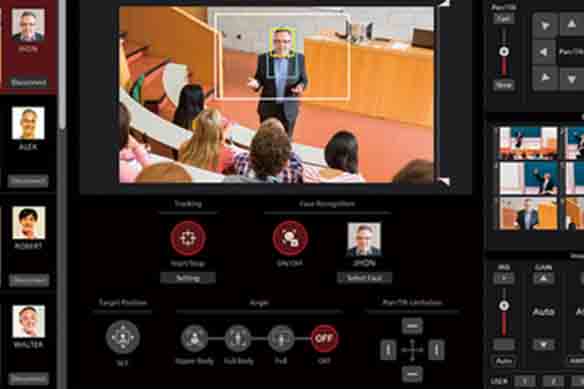
Presenter Camera – Intelligent Position Tracking with Spatial Vectors
AI-powered presenter camera systems use spatial vector analysis to continuously monitor a speaker’s position on stage or in a conference room.
- Position Determination: The system integrates data from multiple cameras and sensors to accurately calculate the presenter’s coordinates in space.
- Image Analysis, Identification, and Facial Recognition Routines: Built-in camera processing detects and identifies the presenter.
- Edge Computing and Distributed Network Analysis: Processing is performed locally for minimal latency and greater reliability.
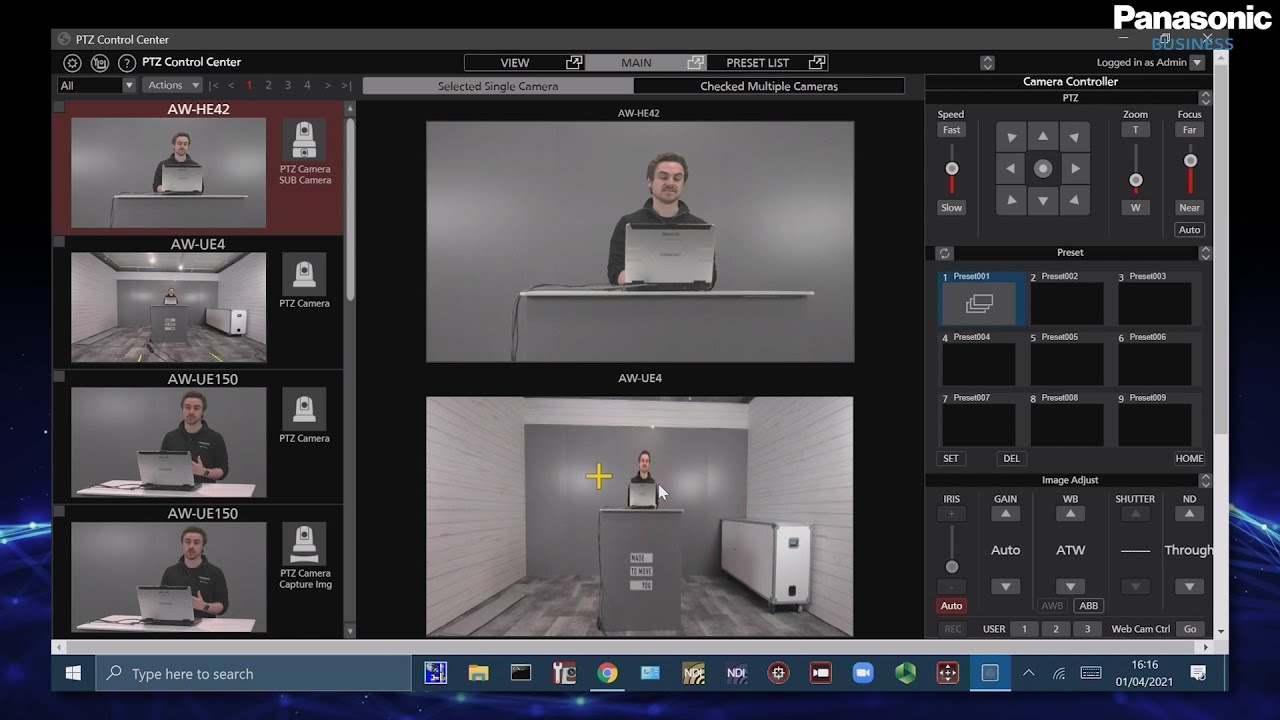
- Optimal Camera Selection: The AI algorithm selects the camera that has the most favorable angle and image quality, then automatically switches to it.
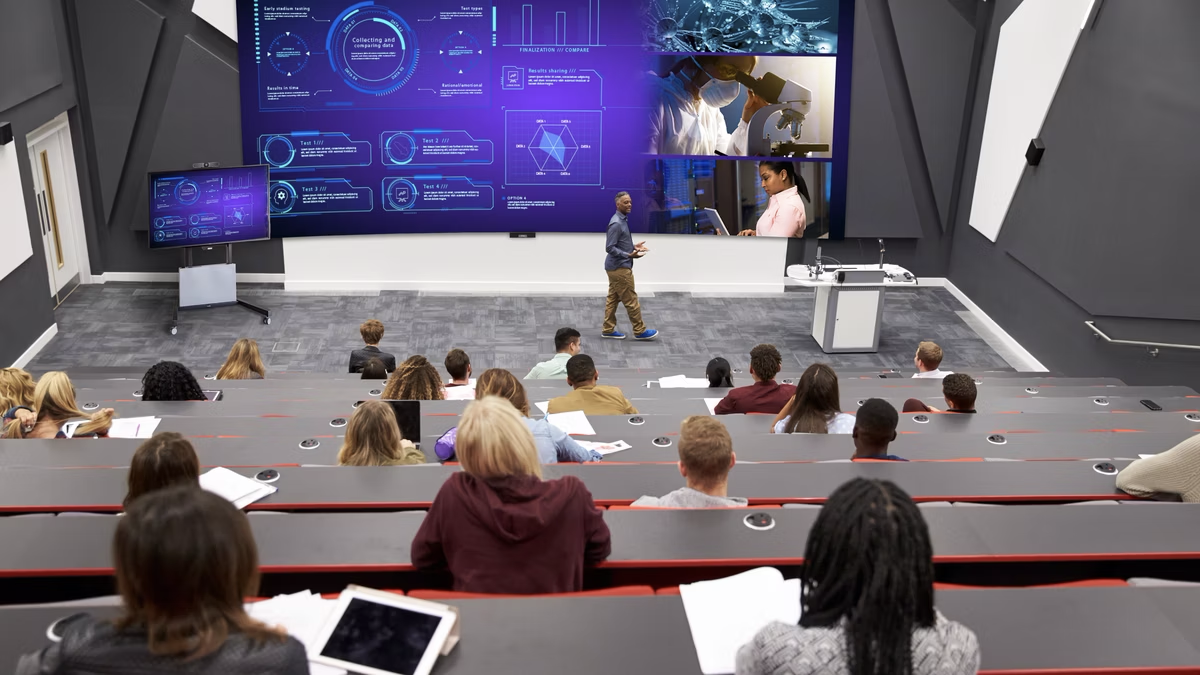
- Seamless Camera Switching: The AI controls transitions between cameras like a video mixer, ensuring smooth changes. The resulting feed can be displayed on LED walls, monitors at the venue, or streamed to online webinar platforms.
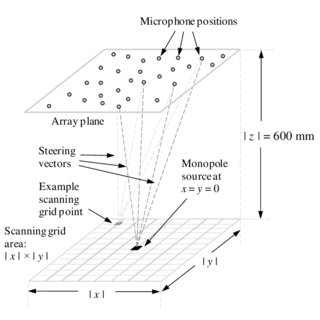 Microphone Line Array – An “Intelligent Ear” Built from 60–80 Microphones
In the field of audio capture, microphone line array systems offer a breakthrough. These solutions consist of 60–80 networked microphones, which the AI dynamically configures.
- Virtual Microphone Characteristics: AI combines signals from multiple microphones to create a narrow, highly directional pickup pattern aimed at the presenter.
- Noise Reduction and Echo Control: The system filters out ambient noise and reverberation in real time, ensuring crystal-clear audio.
- Automatic Adaptation: If the presenter moves within the space, the system instantly recalculates optimal microphone settings, maintaining consistent sound quality throughout.
 Advantages of AI Integration
- Full Automation: Minimal human intervention required during live broadcasts.
- Higher Quality: AI optimizes image and sound settings according to real-world conditions.
- Cost Efficiency: Reduced need for on-site technical staff.
- Scalability: Equally effective in small meeting rooms or large international conference halls.
Outlook
In the coming years, these systems are expected to integrate even more closely with other AI solutions, such as automatic captioning, real-time translation, and participant analytics. This will not only improve broadcast quality but also elevate the accessibility and interactivity of events to an entirely new level.