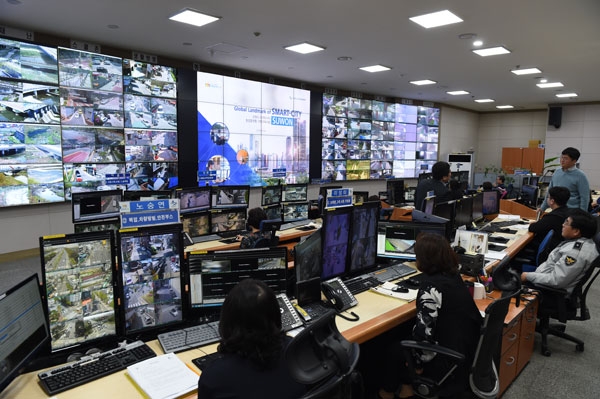
Digital signage systems have become one of the most powerful tools in visual communication. Replacing static posters, digital displays are not only more eye-catching but also significantly more efficient and flexible. Whether it's a busy shopping center, a dispatch control room's wall projection surface, or a school corridor, digital signage solutions elevate the way information is delivered.
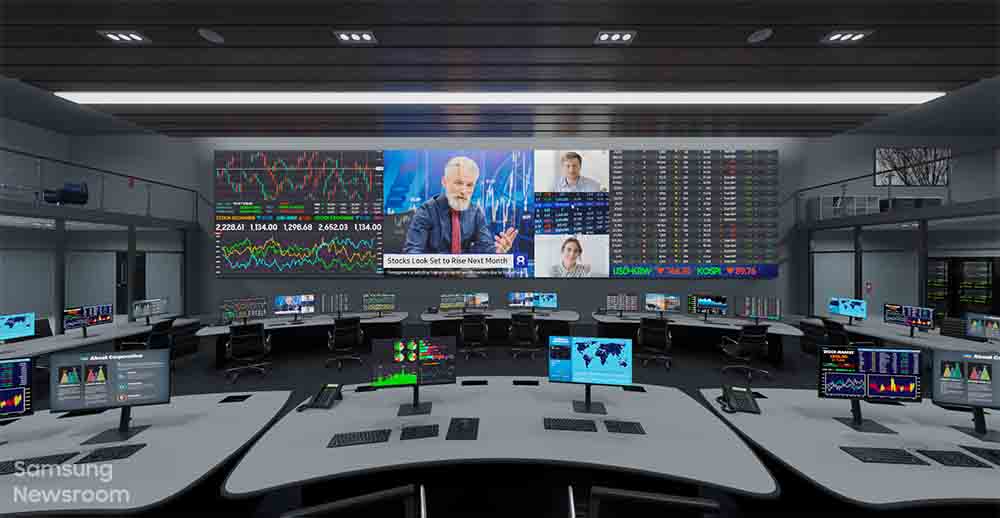 Professional Use – Corporate and Commercial Environments
For companies and institutions, digital signage is not just about aesthetics – it is a strategic communication tool:
1. Retail and Hospitality
- Dynamic price and promotion displays: quickly changeable content and targeted offers.
- Digital menu boards: real-time editable menus in restaurants and fast food outlets.
- Product information: supports customer decisions in-store, even using facial recognition for promotions tailored by age and gender.
2. Corporate and Office Environments
- Internal communication: display of news, updates, or KPIs within the office space.
- Visitor reception: digital welcome boards and room booking panels.
- Event communication: support for conferences, trainings, and corporate events.
3. Transportation and Public Services
- Real-time information: schedules, delays, traffic news.
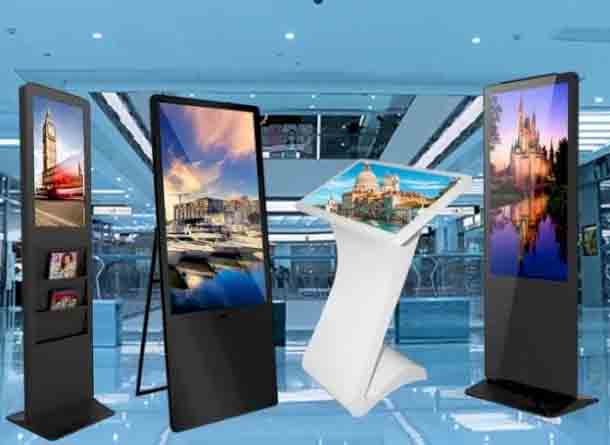
- Wayfinding screens: at airports, train stations, and public institutions.
- Unified display systems for dispatch centers.
4. Education and Healthcare
Arrival and waiting information: in clinics and hospitals.
Academic updates: used as dynamic bulletin boards in schools and universities.
General and Home Use
More Than Just a Screen. Digital signage has now entered homes and smaller communities as well, where it plays an informal but useful role
.
1. Smart Homes
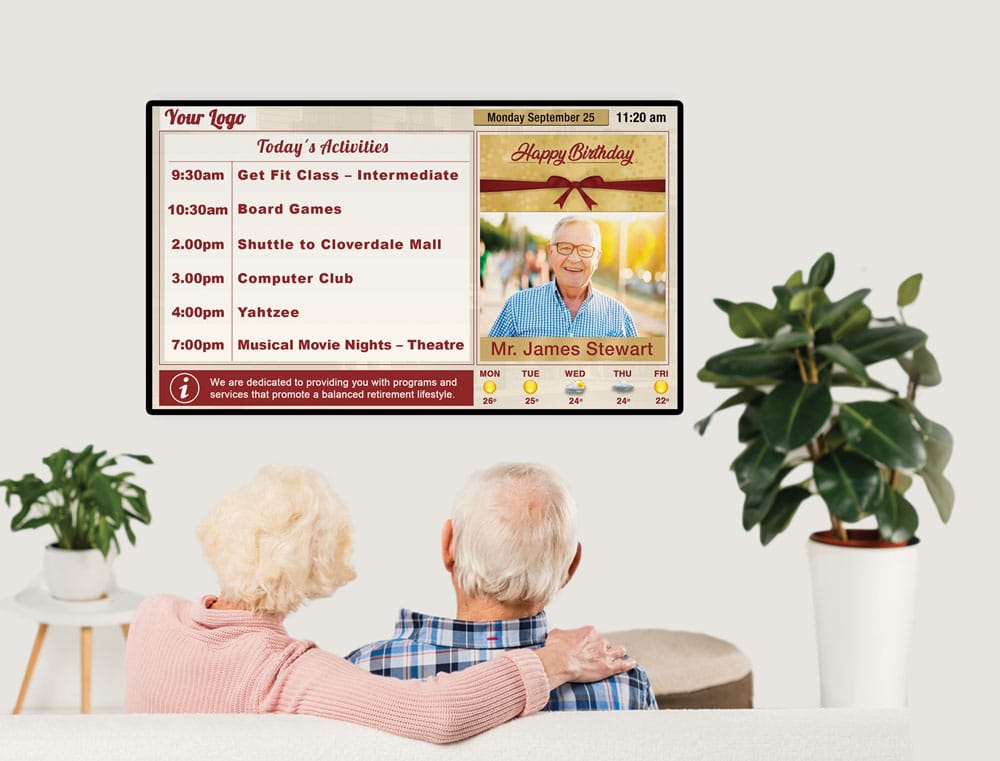
- Digital family calendar: daily plans, events, and school schedules.
- Weather and news updates: displayed on interactive screens.
- Home gallery mode: projection of artworks or personal photos.
- MultiViewer applications for simultaneous content display.
2. Community Spaces
- Apartment buildings and residential areas: announcements, news, and promotional messages in elevators, lobbies, and entrances.
- Cultural venues and churches: display of event schedules, inspirational quotes, and program highlights.
3. Small Businesses
- Outdoor or indoor displays: enable more professional communication for cafés, salons, or small shops – at an affordable cost.
 Why Use a Digital Signage System?
- Flexibility: content can be remotely updated at any time.
- Attention-grabbing: motion graphics and visuals naturally attract viewers.
- Long-term cost-effectiveness: no need for printed materials.
- Integration: easy connection to other systems (e.g., weather data, calendars, statistics).
- Automation: scheduled content and AI-driven targeted messaging.
Technical Background – What Makes a System Work Well?
A well-functioning digital signage system typically includes four core components:
- Display – TV, monitor, LED wall, e-ink screen, etc.
- Player – mini PC, media player, or integrated software.
- Content Management System (CMS) – an online platform for editing and scheduling content.
- Connectivity – internet or local network access for remote control of the system.
The Future: AI and Interactivity
The future of digital signage lies in smart, personalized communication:
- AI-based targeting: the screen recognizes the viewer’s gender or age and tailors content accordingly.
- Touchscreens and QR-code integration: involving users directly in the experience.
- Voice control and gesture recognition: allowing touchless interaction.
- IoT integration: content adapts based on temperature, traffic, or presence.
Conclusion
Digital signage is more than a technological innovation – it is a new language of visual communication, effective in both professional and everyday settings. Those who recognize its potential early can communicate more clearly, impressively, and efficiently – whether in business, education, public spaces, or even within their own homes.