Artificial Intelligence (AI) has significantly transformed the world of industrial and residential technologies in recent years. In the field of renewable energy – particularly solar and wind power – AI plays an increasingly decisive role, as it can optimize production, improve efficiency, and predict maintenance needs. In our company’s approach, combining technology with intelligent data processing serves both corporate and private users.
AI in Solar Energy Utilization
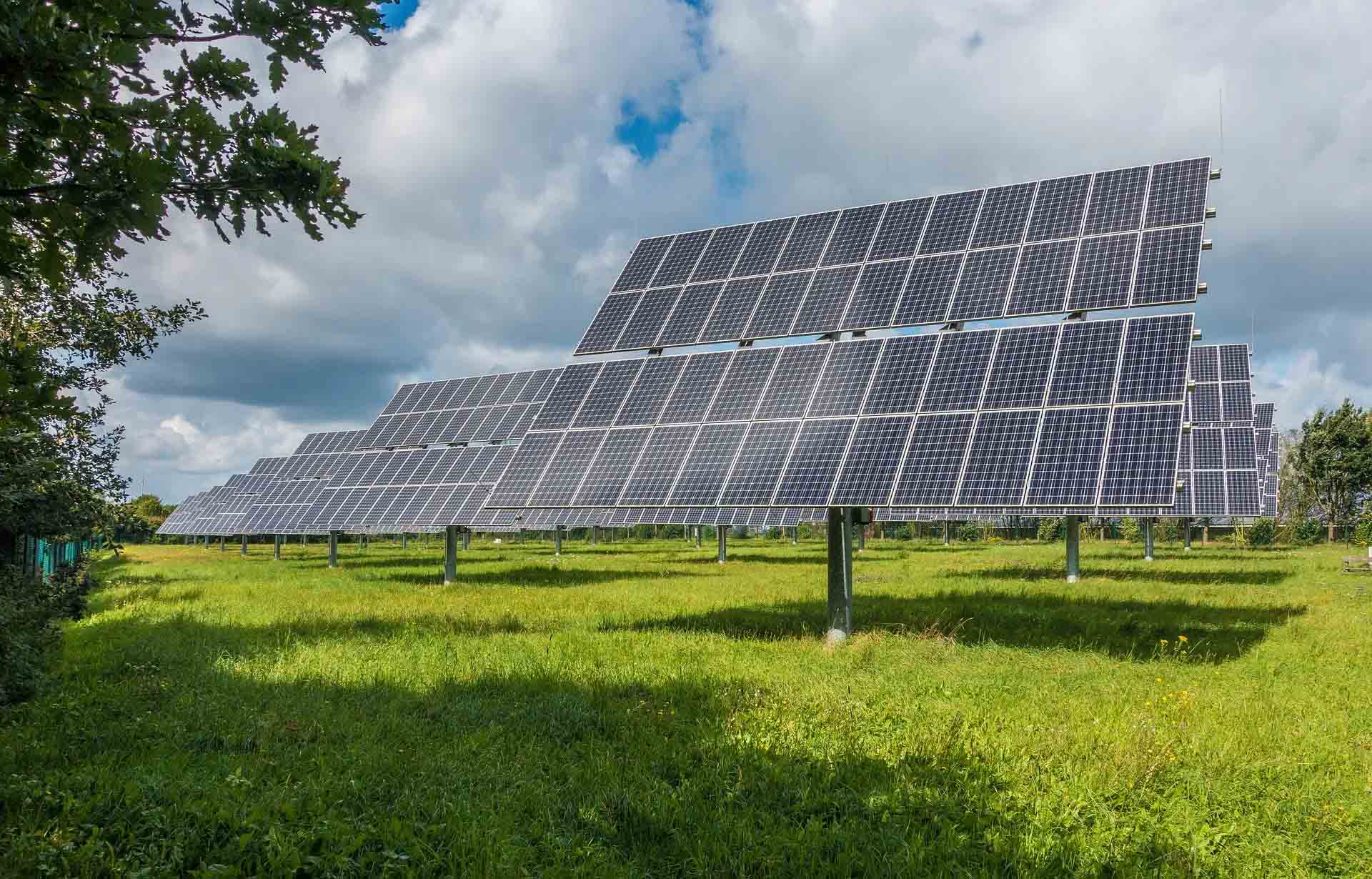 In Corporate Environments
- Predictive Production Forecasting – AI can forecast expected energy production based on sunshine hours, weather forecasts, and seasonal data, enabling companies to optimize energy consumption and sales.
- Automatic Solar Panel Adjustment – Machine learning continuously analyzes the sun’s movement and the angle of light incidence, adjusting the solar panels to the optimal tilt angle.
- Fault Detection and Maintenance – AI-controlled drones and sensor networks detect panel defects or performance degradation, preventing prolonged downtime.
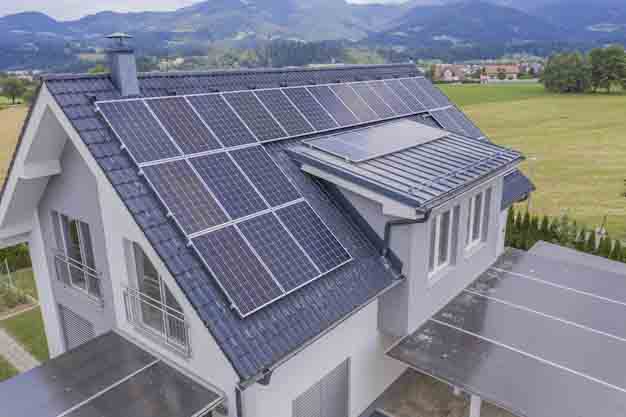 In Home Applications
- Smart Inverters – AI-controlled systems monitor consumption patterns and regulate battery charging or grid feed-in accordingly.
- Optimized Energy Storage – AI assesses household energy demand and uses stored energy accordingly, minimizing grid dependency.
- Intelligent Battery Management System (BMS) – The smart inverter and the battery pack maintain a direct control connection. Through this link, the BMS receives information about battery temperature, charging and discharging status, and other parameters. This ensures a long battery lifespan – up to 15 years.
AI in Wind Energy Production
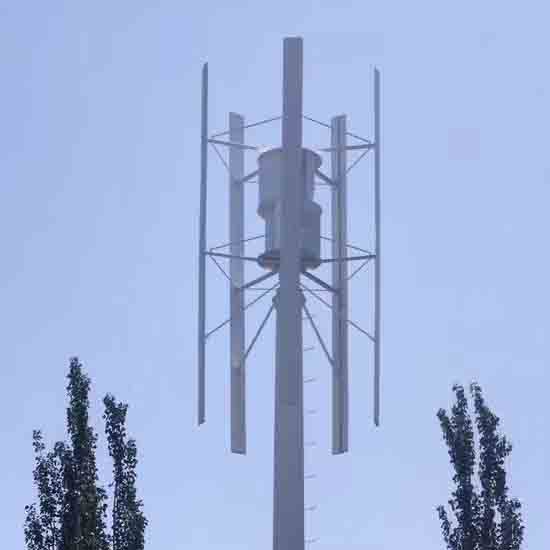 On an Industrial Scale
- Wind Speed and Direction Forecasting – AI models accurately predict wind variations, enabling optimal operation of wind turbines or smaller-capacity axial wind generators.
- Automatic Blade Pitch Control – The system adjusts blade angles in real time to achieve maximum energy yield.
- Predictive Maintenance – Sensors and AI analytics detect early signs of mechanical wear, reducing the risk of breakdowns.
- Optimized Energy Storage – AI evaluates household or site-specific energy demand and uses stored energy accordingly, minimizing grid dependency.
- Close Integration with Solar Energy Systems – AI optimizes the use and storage of the energy produced by both systems.
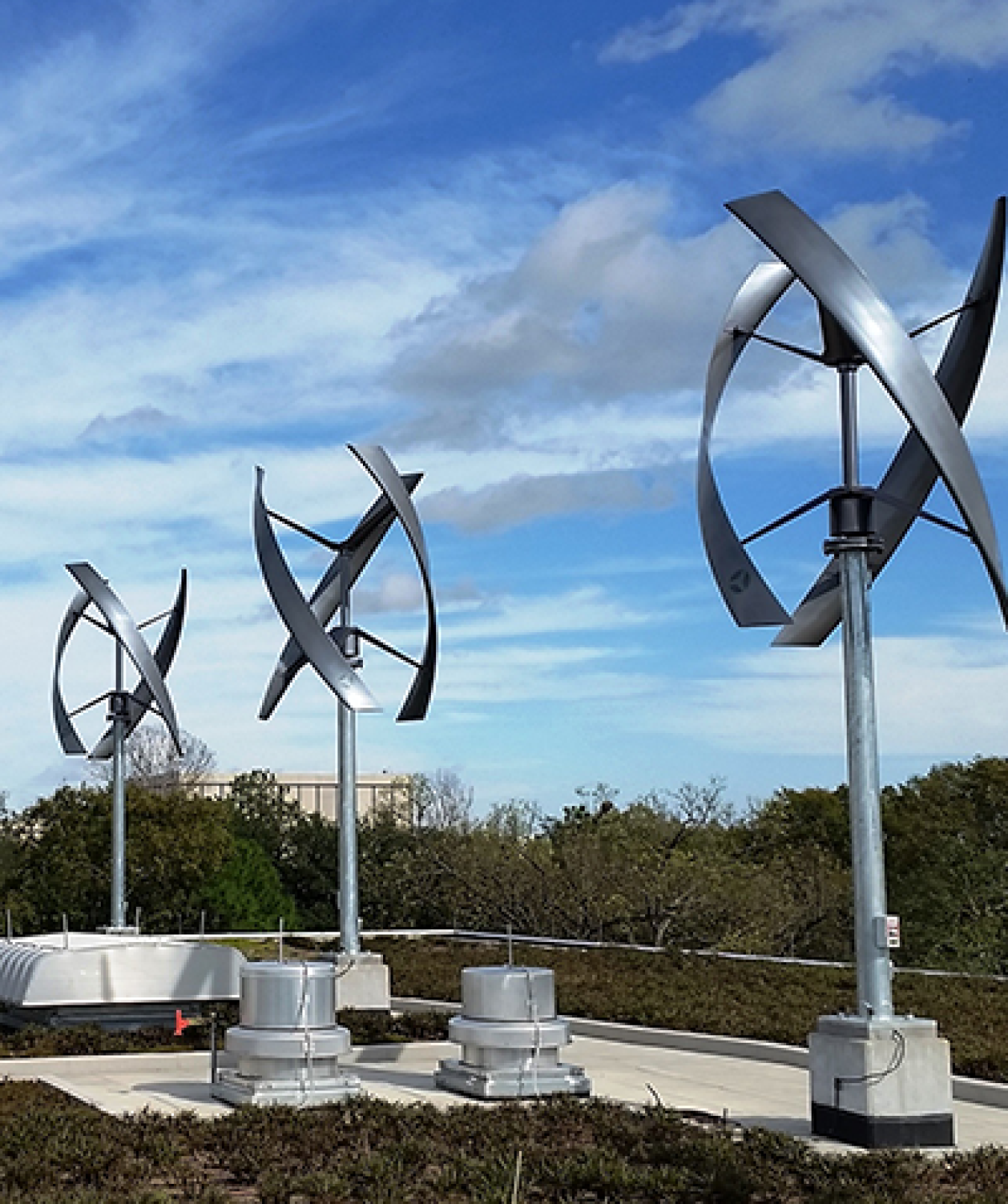 On a Residential Scale
- Optimization of Small-Scale Wind Turbines – AI helps determine optimal operating times and minimizes production losses.
- Integration with Smart Home Systems – Wind energy production data can be linked to other IoT devices, such as heating and cooling controls.
- Optimized Energy Storage – AI evaluates household energy needs and manages stored energy accordingly, minimizing reliance on the grid.
- Close Integration with Solar Energy Systems – AI ensures the optimal utilization and storage of generated energy.
 Shared Benefits – Why Integrate AI into Renewable Energy Systems?
- Higher Efficiency – Predictive algorithms reduce waste and increase output.
- Cost Reduction – More precise operation results in lower maintenance costs.
- Sustainability – Optimized energy usage contributes to reduced carbon emissions.
- Flexibility – AI-based systems can be easily scaled from households to industrial parks.
Future Outlook – AI, IoT, and Energy Management
In the future, combining AI with IoT (Internet of Things) will enable fully automated, self-optimizing energy systems. These will respond in real time to weather changes, market energy prices, and user demands – whether in a corporate energy park or a single family home.